


We’ve focused on affiliate marketing, so the guide skips the legal theory and sticks to what actually matters for affiliates and media buyers — licensing, ad content rules, platform requirements, and penalties.
If you only take one thing from it, take this: the countries where gambling is legal are not the same as the countries where gambling advertising is legal — the two lists don’t always match.
How gambling ads regulations by country work
Most jurisdictions fall into one of four categories: legal, restricted, unregulated, or banned. Almost every gambling law by country comparison you’ll find uses some version of this framework:
| Status | What it means for affiliates |
| Legal & regulated | Licensed operators can advertise; rules cover content, targeting, and placement. |
| Restricted / partially regulated | Gambling is legal, but advertising is heavily limited — certain formats, hours, or channels are off-limits. |
| Grey zone / unregulated | No clear law. Offshore-licensed brands usually can operate there. |
| Banned | Gambling and its advertising are illegal. Running ads risks account bans, fines, or worse. |
A country can also treat different niches under the Gambling vertical differently. Sports Betting might be regulated while online casinos are banned, as is the case in Australia. So “is gambling legal here” isn’t always a yes/no answer; it depends on the product, too.
What is RichAds?
Ad network for telegram ads,
high quality push and popunder ads,
domain redirect, native and display traffic source,
buy push ads at $0.005 (CPC), pop ads at $0.5 (CPM),
domain ads costs start from $1.5 (CPM), native ads — from $0.001 (CPC),
ad network offers large volumes of traffic in more than 200 geos from Tier 3 to Tier 1.
Countries where online gambling is legal
These are the markets affiliates lean on most, because the rules are written down and licensed operators can advertise openly — within limits.
| Country | Regulator | Ad status | Key restriction |
|---|---|---|---|
| United Kingdom | Gambling Commission (ASA/CAP enforces ad rules) | Legal, tightly monitored | No content that appeals to under-18s or people who look under 25; “whistle-to-whistle” ban on TV betting ads during live sport |
| Germany | Joint Gaming Authority of the States (GGL) | Legal since July 2021 | Online casino, slots, and poker ads banned 6 a.m.–9 p.m.; no active athletes in betting ads; affiliate pay can’t be tied to player losses |
| Netherlands | Kansspelautoriteit (KSA) | Legal, targeted ads only | Untargeted advertising banned since 2023; ads only to opted-in, age-verified users 24+; sports sponsorship banned since 2025 |
| France | Autorité Nationale des Jeux (ANJ) | Legal, supervised | Licensed operators must submit promotional plans for regulator approval |
| Spain | Dirección General de Ordenación del Juego (DGOJ) | Legal, restricted hours | TV, radio, and YouTube gambling ads limited to 1 a.m.–5 a.m. |
| Sweden | Spelinspektionen | Legal, “moderate” marketing rule | Ads must show “moderation”; no targeting of under-18s |
| Ireland | Gambling Regulatory Authority of Ireland | Legal, phased-in rules | TV and radio watershed (roughly 5:30 a.m.–9 p.m.) being rolled out under the 2024 Act |
| Malta | Malta Gaming Authority (MGA) | Legal, one of the more open regimes | Malta licenses many operators serving other EU markets, but ads into those markets still follow that market’s local rules |
| Brazil | Secretaria de Prêmios e Apostas (SPA) | Legal since January 2025 | Responsible-gambling warning must cover 10% of the ad; no targeting minors |
| Colombia | Coljuegos | Legal since 2016 | Licensed operators only; local representative office required |
| Mexico | Secretaría de Gobernación | Legal | Advertising allowed under a 1947 law, with modern oversight added over time |
| Canada (Ontario) | AGCO / iGaming Ontario | Legal, regulated since 2022 | No inducements to new players; active pro athletes can’t appear in ads |
| United States | State-by-state (no federal ad rule) | Legal in ~38 states for some form of betting | Advertisers must prove state licensing to platforms like Google and Meta; several states ban “risk-free” wording |
| Australia | ACMA / state regulators | Sports betting legal, online casino banned | No betting ads on TV during live games from 5 a.m.–8:30 p.m.; a proposed cap of 3 ads per hour is under review |
| Philippines | PAGCOR | Legal domestically | Offshore (POGO) licensing was shut down in 2024; local operators serve local players under PAGCOR rules |
| Singapore | Gambling Regulatory Authority | Legal, single licensed operator model | Advertising unlicensed gambling is a criminal offense; licensed brands need case-by-case approval |
| South Africa | National Gambling Board + provincial boards | Legal | Licensed betting and casino advertising permitted, with responsible gambling messaging required |
Two things to notice here:
- “Legal” rarely means “no rules” — every country on this list still restricts who can be targeted, what the ad can say, or when it can run.
- Licensing is usually local: a Malta or Curaçao license lets you operate from there, but it doesn’t automatically clear you to advertise in the UK, Germany, or Brazil. Each market’s own regulator has the final say.
What is RichAds?
Ad network for telegram ads,
high quality push and popunder ads,
domain redirect, native and display traffic source,
buy push ads at $0.005 (CPC), pop ads at $0.5 (CPM),
domain ads costs start from $1.5 (CPM), native ads — from $0.001 (CPC),
ad network offers large volumes of traffic in more than 200 geos from Tier 3 to Tier 1.
Gambling laws by country: a region-by-region breakdown
Let’s break down gambling laws by region and country, so you can easily see the patterns and understand where the rules are tightening the fastest.
North America
The US is the biggest gambling market in North America. It has had no federal gambling law since the 2018 repeal of PASPA, so every state decides for itself. As of 2026:
- Online casino, sports betting, and poker are legal in Connecticut, Delaware, Michigan, New Jersey, Pennsylvania, Rhode Island, West Virginia.
- Sports betting only is legal in Arizona, Arkansas, Colorado, Florida, Illinois, Indiana, Iowa, Kansas, Kentucky, Louisiana, Maine, Maryland, Massachusetts, Missouri, New York, North Carolina, Ohio, Oregon, Tennessee, Vermont, Virginia, Wyoming.
- No legal online framework or total ban: Utah and Hawaii ban gambling outright; California, Texas, Alabama, Alaska, Georgia (limited), Minnesota, Mississippi.
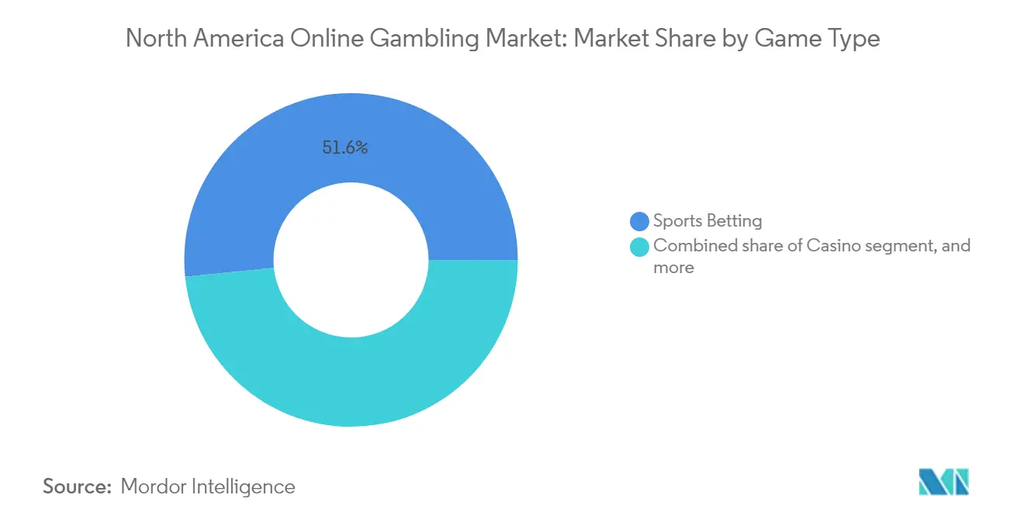
Canada operates on a similar model: Ontario opened a competitive iGaming market in 2022, while most other provinces still run advertising through a single provincial lottery corporation.
Check out our GEO-specific gambling guides:
- A profile of an average online casino player in the USA
- How to gain Gambling traffic in Canada in 2026?
Europe
Europe has the most detailed and varied set of gambling ad regulations by country in the world. Each EU member state, plus the UK, writes its own gambling law even though they share a market.
Germany, the Netherlands, France, Spain, Sweden, and Ireland all allow advertising but restrict hours, formats, or targeting.
Belgium, Hungary, Kosovo, and Italy sit at the strict end, banning gambling ads with only narrow exceptions.
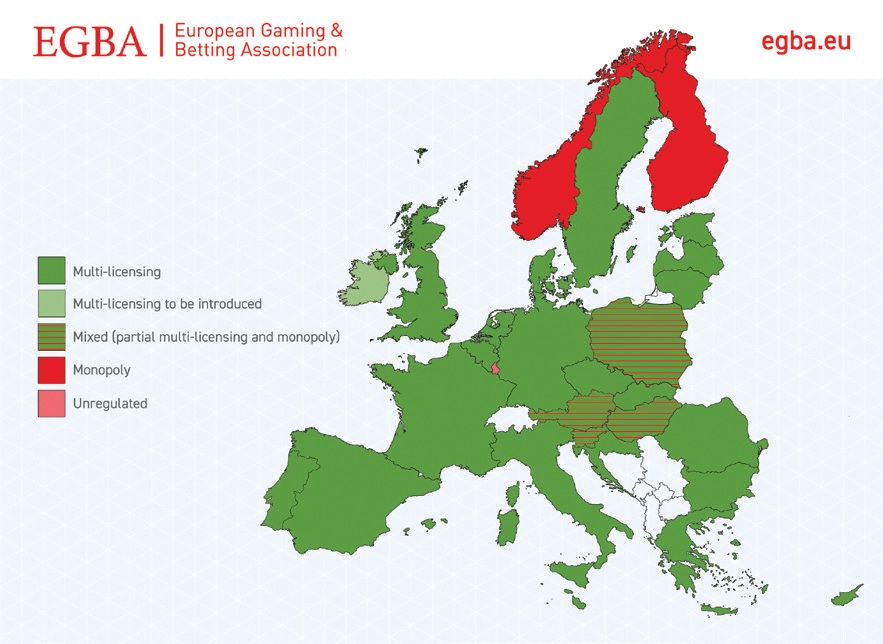
The industry group EGBA runs a voluntary code covering minor protection and responsible gambling messaging, but it only supplements each country’s actual law — it doesn’t replace it.
Check out our GEO-specific gambling guides:
- How to Gain Gambling Traffic in Netherlands 2026
- Gambling Audience in Spain
- Online Gambling in Germany: full overview
- How to Get Gambling Traffic in Turkey
Latin America
Brazil is the region’s biggest gambling market for affiliates. The Lei das Apostas legalized betting nationwide, with the market opening on January 1, 2025, under the regulatory authority SPA.
In 2026, the government added two rules that matter for affiliates:
- A mandatory warning covering 10% of the ad space;
- A hard ban on anything that could reach minors.
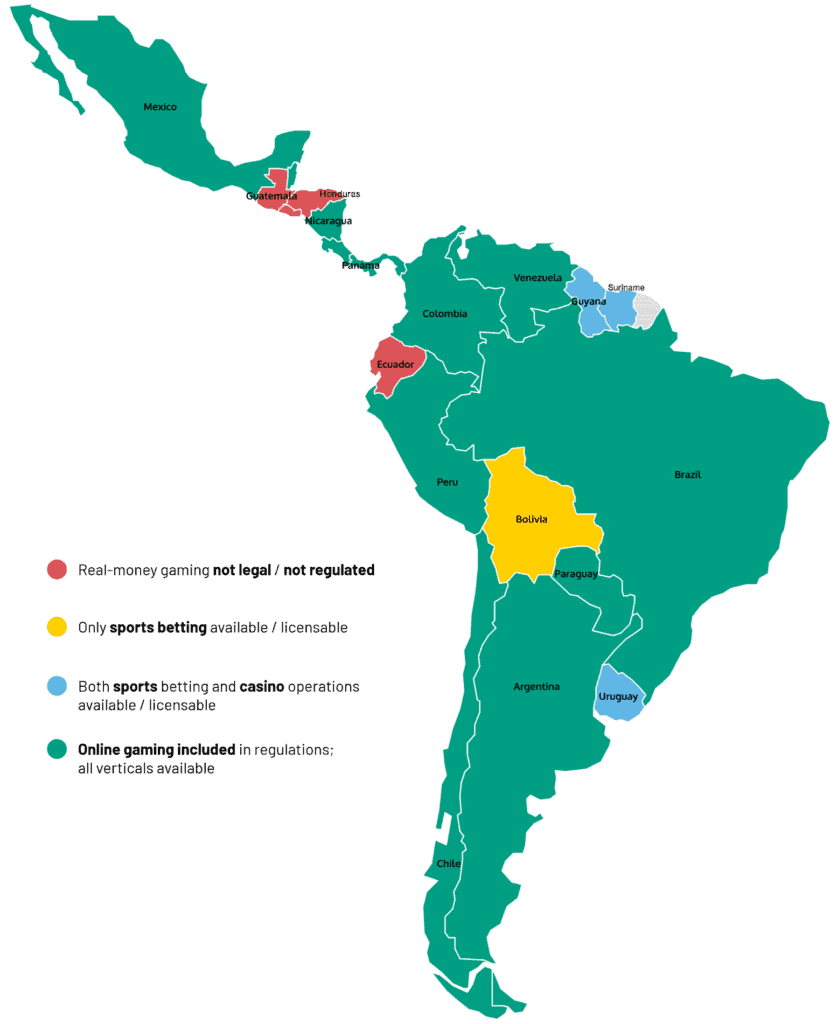
Colombia has operated a regulated market since 2016 through Coljuegos.
Mexico allows licensed advertising under a decades-old gambling law, with modern oversight layered on top.
Argentina has no single national law: Buenos Aires City, for example, restricts promotion to factual information only and requires addiction warnings, while other provinces set their own terms.
Check out our GEO-specific gambling guides:
- How to launch Gambling in Brazil: learn expert insights
- Best Online Casino Sites in Mexico in 2026
- Chilean Gambling Landscape
- Proven ways to promote Gambling in Latin America
What is RichAds?
Ad network for telegram ads,
high quality push and popunder ads,
domain redirect, native and display traffic source,
buy push ads at $0.005 (CPC), pop ads at $0.5 (CPM),
domain ads costs start from $1.5 (CPM), native ads — from $0.001 (CPC),
ad network offers large volumes of traffic in more than 200 geos from Tier 3 to Tier 1.
Asia-Pacific
This region has the widest range, from fully open to fully banned. Australia permits licensed sports betting advertising but bans online casino ads entirely, and restricts betting ads around live sport.
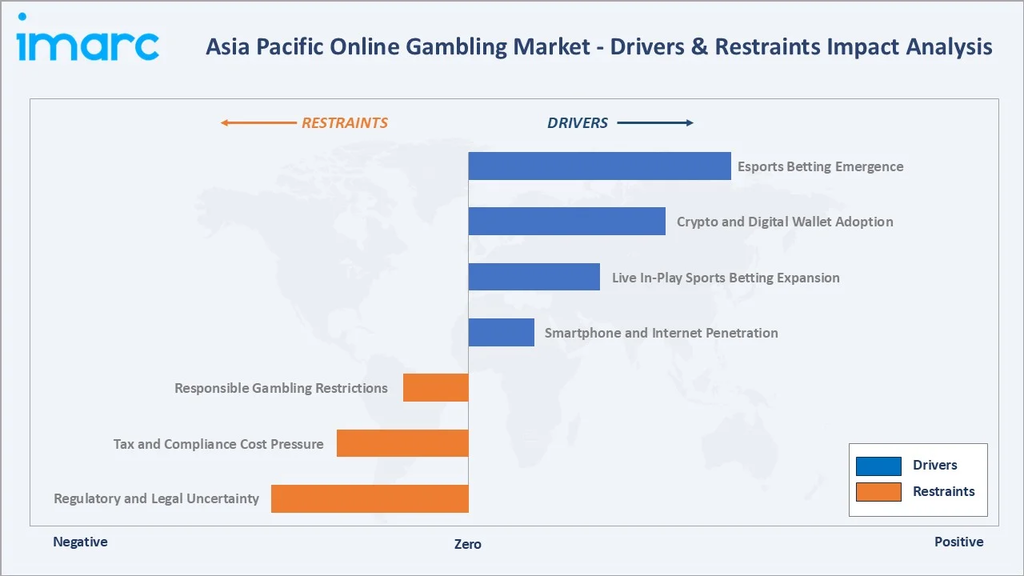
The Philippines regulates gambling for its own market through PAGCOR.
Japan allows a narrow set of legal forms, including public sports betting and casinos inside licensed resort zones, and can now order takedowns of ads for unlicensed gambling.
Singapore and Malaysia both run tightly controlled, mostly single-operator models where advertising unlicensed gambling is a criminal offense.
India passed the Promotion and Regulation of Online Gaming Act in 2025, which bans advertising for real-money online games. Rules took effect in May 2026, with penalties up to two years in prison and a ₹50 lakh fine.
China, Thailand, and Hong Kong all treat advertising unlawful gambling as a criminal matter.
Check out our GEO-specific gambling guides:
- How to gain Gambling traffic in the Philippines? All secrets revealed!
- How to gain Gambling traffic in Thailand? Expert tips
- Is Online Casino Legal in Singapore?
- How to gain Gambling traffic in Malaysia? Top insights
- How to Get Gambling Traffic in Cambodia in 2026
- How to gain Gambling traffic in Indonesia? In-depth overview
- Best Online Casinos in Indonesia to Try in 2026
- How to Promote Gambling Ads in India: A Practical Guide
- How to gain Gambling traffic in Vietnam?
- How to gain Gambling traffic in Bangladesh?
- Gambling Traffic in Australia: Full Guide 2026
Middle East & Africa
Most of the Gulf, including Saudi Arabia, the UAE, Qatar, and Kuwait, bans gambling and its advertising completely under Sharia-based law, with no licensing path at all.
South Africa is the clear exception on the continent: it runs a regulated betting and casino market through the National Gambling Board and provincial regulators, and licensed advertising is permitted with responsible gambling messaging required.
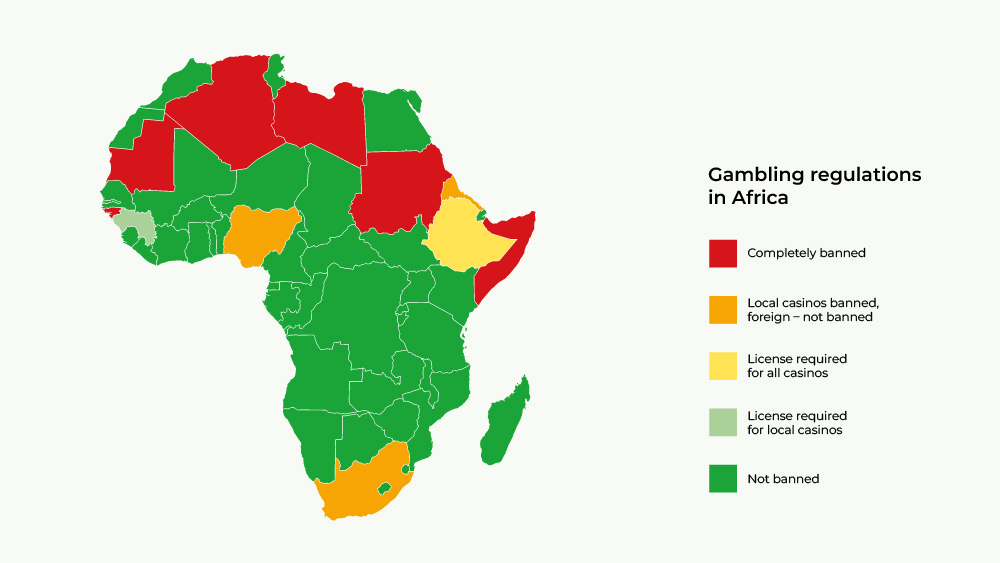
Betting is popular and growing across much of Sub-Saharan Africa, but ad-specific rules vary a lot by country and are still evolving. Check the current local law before launching to avoid any bans.
Check out our GEO-specific gambling guides:
Countries where gambling is illegal
A full ban means there’s no license to get and no legal way to advertise, no matter how the campaign is framed. The clearest examples in 2026 include:
- Saudi Arabia, United Arab Emirates, Qatar, Kuwait — gambling and gambling promotion are banned under Sharia-based law.
- China (mainland) — gambling is illegal nationwide; Macau and Hong Kong are separate jurisdictions with their own rules.
- North Korea — gambling is banned for citizens.
- India — real-money online gaming and its advertising were banned nationally under the 2025 Act, effective May 2026.
- Singapore and Malaysia — gambling is legal only through licensed monopolies; advertising anything outside that is a criminal offense.
- Several US states, including Utah and Hawaii — no legal gambling, online or offline.
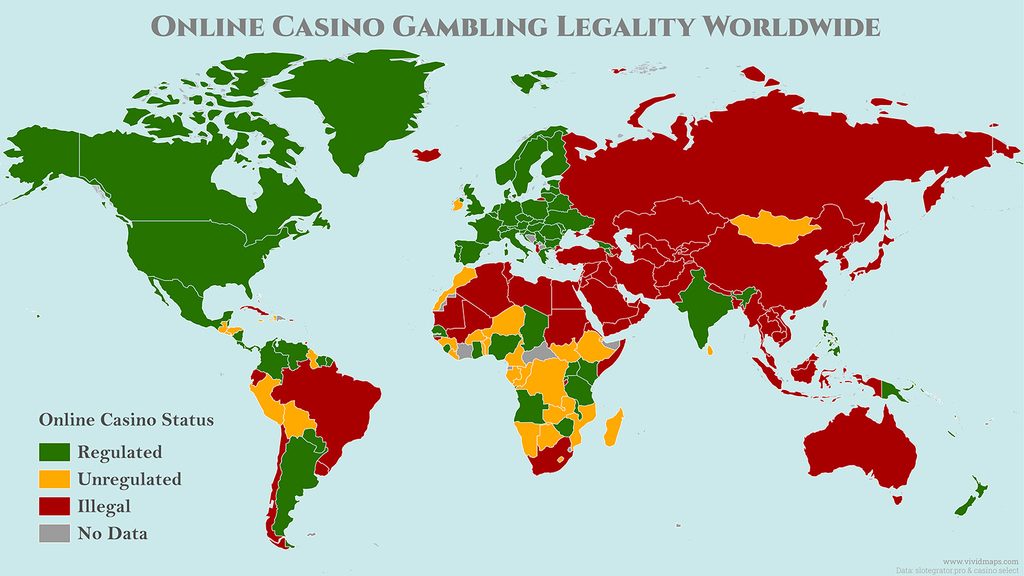
Running ads in any of these markets is the fastest way to get an ad account suspended and, in some cases, carries criminal liability for individual affiliates.


Quick reference: gambling ads regulations by country in 2026
A country can be legal for players and still be off-limits for advertising. So, before asking “what countries is gambling legal in,” affiliates need to ask a more specific question: is this vertical, from this operator’s license, allowed to advertise to this audience, through this ad format?
This table can be your reference when launching a campaign:
| Region | Mostly legal & advertisable | Mostly banned |
|---|---|---|
| Europe | UK, Germany, Netherlands, France, Spain, Sweden, Ireland, Malta | Belgium (near-total), Italy, Hungary, Kosovo |
| North America | Most US states, Ontario (Canada) | Utah, Hawaii (US); most non-Ontario provinces are single-operator only |
| Latin America | Brazil, Colombia, Mexico | Parts of Argentina (province-dependent) |
| Asia-Pacific | Australia (sports betting), Philippines, Singapore, South Africa | China, India, Malaysia, Thailand |
| Middle East | — | Saudi Arabia, UAE, Qatar, Kuwait |
What is RichAds?
Ad network for telegram ads,
high quality push and popunder ads,
domain redirect, native and display traffic source,
buy push ads at $0.005 (CPC), pop ads at $0.5 (CPM),
domain ads costs start from $1.5 (CPM), native ads — from $0.001 (CPC),
ad network offers large volumes of traffic in more than 200 geos from Tier 3 to Tier 1.
The consequences of breaking gambling advertising laws
Penalties scale with the market:
- Ad account bans — Google and Meta will suspend advertiser accounts for non-compliant gambling ads, sometimes permanently.
- Content takedowns — regulators in markets like Japan and the UK can force ads or entire campaigns offline.
- Fines — Italy’s AGCOM starts at €50,000 per breach; Ontario’s AGCO can issue penalties from roughly CAD $110,000 up to over $200,000; Colorado can fine up to $25,000 per violation
- Criminal liability — in India, the Gulf states, and parts of Asia, advertising unlicensed gambling can mean prison time, not just a fine.
Conclusion
Keeping up with gambling ads regulations by country can be challenging because the rules change often. Plus, there are platform rules: Google’s gambling ad policy includes strict account health checks and Google-specific licensing, while Meta requires prior approval.
This is where a network built specifically for betting and gambling traffic makes the difference. RichAds runs push, popunder, native, pre-roll, in-page, and Telegram ads across 220+ GEOs, with flexible moderation for gambling campaigns. Our dedicated managers know gambling laws by country, and can help you with compliant creatives.
Launch your gambling ads at RichAds and optimize with advanced tools for maximum profit.
What is RichAds?
Ad network for telegram ads,
high quality push and popunder ads,
domain redirect, native and display traffic source,
buy push ads at $0.005 (CPC), pop ads at $0.5 (CPM),
domain ads costs start from $1.5 (CPM), native ads — from $0.001 (CPC),
ad network offers large volumes of traffic in more than 200 geos from Tier 3 to Tier 1.
FAQ on gambling laws by country
According to the RichAds ad network’s guide, gambling ads are legal in the UK, Germany, the Netherlands, France, Spain, Sweden, Ireland, Malta, Brazil, Colombia, Mexico, most US states, Ontario in Canada, Australia (for sports betting), the Philippines, and South Africa.
Remember that “legal” doesn’t mean unrestricted. Each country still requires a valid license and follows its own content and targeting rules.
Gambling advertising is banned or near-totally banned in Saudi Arabia, the UAE, Qatar, Kuwait, mainland China, North Korea, India, and some US states like Utah and Hawaii.
Belgium and Italy also enforce near-total bans on gambling advertising, even though gambling itself is legal there.
Generally, yes, but you should check the law state by state. There’s no federal gambling ad law, so about 38 states currently allow some form of legal advertising. States without a legal framework, and states with an outright ban like Utah and Hawaii, don’t allow gambling advertising at all.
The RichAds ad network experts note that there’s no single EU-wide gambling ad law — each member state regulates its own market. However, most European countries ban targeting minors, require responsible gambling messaging, and restrict specific ad hours or channels.
The voluntary EGBA code adds shared standards on top, but national law always takes priority.
Yes. Regulators like the UK’s ASA apply the same content and targeting standards to affiliate and influencer promotions as they do to an operator’s own advertising.
Affiliates can’t rely on the operator’s license or compliance team to cover their own ad content.
Consequences range from ad account suspensions to fines and criminal charges.
The RichAds ad network team highlights that regulators are moving toward faster, more automated enforcement, so non-compliant campaigns tend to get caught sooner rather than later.










 Latest articles