Id
 Tr



What is traffic acquisition cost?
Traffic acquisition cost (TAC) is the money a business spends to bring visitors to its website or app. It covers every paid way of getting people in: search ads, affiliate commissions, PR mentions, and more.
Interestingly, TAC is calculated for both traffic buyers and traffic sellers:
- For advertisers, TAC is what you pay to buy traffic: media spend plus the fees and tools needed to run campaigns.
- For ad platforms, TAC is the share of ad revenue paid to partners that provide traffic. Google, for example, pays browser makers and phone makers to be the default search engine, and pays publishers in its network a cut of ad revenue, and all these payments go into traffic acquisition costs.
In this article, we’ll focus on the advertiser side, helping you understand the calculations and learn how to reduce that cost.
What is RichAds?
Ad network for telegram ads,
high quality push and popunder ads,
domain redirect, native and display traffic source,
buy push ads at $0.003 (CPC), pop ads at $0.5 (CPM),
domain ads costs start from $1.5 (CPM), native ads — from $0.001 (CPC),
ad network offers large volumes of traffic in more than 220 geos from Tier 3 to Tier 1.
Why traffic acquisition costs matter
Traffic is the top of your funnel, so you should know the cost of every click, impression, and visit you buy to build an effective strategy. Your TAC number can help you in many ways:
- It shows if a campaign can be profitable at all. If one visitor costs more than they bring you on average, you lose money with every click. Revenue per visitor must stay above TAC per visitor.
- It tells you where to put your budget. When you compare TAC across channels, you see which sources deliver visitors cheaper and which ones only look busy.
- It drives your ROI. Lower traffic acquisition costs with the same conversion rate mean higher ROI. A 20% cut in CPC goes straight to your margin.
- It helps you scale safely. Costs usually rise as you scale, because you start buying less targeted placements. Knowing your break-even TAC tells you how far you can go.
- It protects you from relying on one channel. If one platform raises prices or changes its algorithm, a healthy channel mix lets you move budget fast.
In short, smart traffic acquisition is about getting visitors who pay back more than they cost. We’ve explained that in the Gambling traffic arbitrage guide.
TAC vs CAC: What’s the difference
TAC and CAC are often mixed up because both terms talk about acquisition costs. Essentially, they measure different steps of the funnel:
- TAC (traffic acquisition cost) is the price of a visitor.
- CAC (customer acquisition cost) is the price of a paying client.
Which one should you watch?
Ultimately, everyone should track TAC by channel, because it’s the first number that tells you a source is too expensive. Brands with a long sales cycle also need to track CAC and compare it with LTV (customer lifetime value). A healthy LTV-to-CAC ratio is at least 3:1.
How to calculate traffic acquisition cost
Many teams count only media spend and use that number to understand TAC. But this approach doesn’t give the real picture. If you want the true cost of your traffic acquisition, you should include everything you pay to get visits:
- Media spend
- Affiliate commissions and partner payouts
- Agency or media-buyer fees
- Tools: trackers, spy tools, anti-fraud services, AI ad generators
- Creative production: banners, videos, landing pages.
When you gather all these numbers, use the TAC formulas below to calculate your spend:
1. Total TAC
2. TAC per visitor
3. Break-even TAC
4. TAC rate
Worked example
To understand how the calculations work in practice, let’s look at an example. Say an affiliate runs push ads for a Sweepstakes offer with a $3.50 payout per lead. The campaign shows these numbers:
| Media spend | $1,500 |
| Average CPC | $0.01 |
| Tracker and creatives | $100 |
| Conversion rate | 0.5% |
As a result, an affiliate gets:
- Visitors = Media spend ÷ CPC = $1,500 ÷ $0.01 = 150,000
- Total TAC = Media spend + Tracker and creatives = $1,500 + $100 = $1,600
- TAC per visitor = Total TAC ÷ Visitors = $1,600 ÷ 150,000 = $0.0107
- Break-even TAC = Payout × Conversion rate = $3.50 × 0.5% = $0.0175
- Leads = Visitors × Conversion rate = 150,000 × 0.5% = 750
- CPA = Total TAC ÷ Leads = $1,600 ÷ 750 = $2.13
- Revenue = Leads × Payout = 750 × $3.50 = $2,625
- ROI = (Revenue − Total TAC) ÷ Total TAC × 100% = ($2,625 − $1,600) ÷ $1,600 × 100% = 64%
Break-even TAC ($0.0175) is higher than the actual TAC per visitor ($0.0107), so this affiliate has room to raise bids and win more volume, as long as conversion holds.
To ensure you work with clean numbers, calculate TAC per channel, per GEO, and per placement, not just in total, and recalculate weekly because TAC numbers can change fast.
What is RichAds?
Ad network for telegram ads,
high quality push and popunder ads,
domain redirect, native and display traffic source,
buy push ads at $0.003 (CPC), pop ads at $0.5 (CPM),
domain ads costs start from $1.5 (CPM), native ads — from $0.001 (CPC),
ad network offers large volumes of traffic in more than 220 geos from Tier 3 to Tier 1.
Main traffic acquisition channels
Traffic acquisition costs largely depend on the traffic channel you use. We’ve gathered the top traffic acquisition channels that work in 2026 so you can compare them and build the right mix.
| Channel | Price model | Best for |
|---|---|---|
| Paid search (Google, Bing) | CPC | High-intent demand, ecommerce, services, B2B |
| Social ads (Meta, TikTok) | CPM, CPC | Visual products, audience targeting, apps |
| Push and in-page push ads | CPC | Sweepstakes, iGaming, Finance, Utilities, Ecommerce |
| Popunder ads | CPM | Volume offers, Gambling, Betting, Nutra, Dating |
| Direct click ads | CPM | iGaming, Sweepstakes, Ecommerce, Software |
| Native ads | CPC | Content-led funnels, Nutra, Finance, news |
| Telegram ads | CPC, CPM | Gaming, Apps, casino, young mobile audiences |
| Retargeting | CPM, CPC | Conversion, bringing back past visitors |
| SEO | Content and time | Steady traffic, long-term brand growth |
| Email and SMS | – | Repeat sales, retention |
Paid search
Search ads catch people who already look for what you sell, so conversion rates are high, as is the price. In 2026, search CPCs sit around $2–4 on average, and for some verticals, like Finance or Insurance, traffic can cost $50–100+ per click.
Additionally, not all offers are accepted: if you’re running Gambling in Cambodia, for example, your account is likely to be banned.

Social ads
Meta and TikTok are strong for targeting by interests and lookalikes. They are among the top traffic sources for B2B and B2C in 2026.
Clicks are cheaper than on Google Ads, but user intent is lower, and you have less control over your campaign. The platform’s algorithm determines most targeting settings, bids, and impression frequency, so your creatives burn out fast.
Push ads
Push ads reach users who opted in to receive them. They are clickable, mobile-friendly, and cheap. At RichAds, push and in-page push traffic starts from $0.003 CPC.
Push works best with simple, emotional offers and a short funnel. The message is delivered directly to users’ devices and immediately draws attention.
Popunder ads
Popunders are essentially landing pages that open in a new tab behind the one the user is browsing. People see them when they close or minimize the active page, so the format is less intrusive.
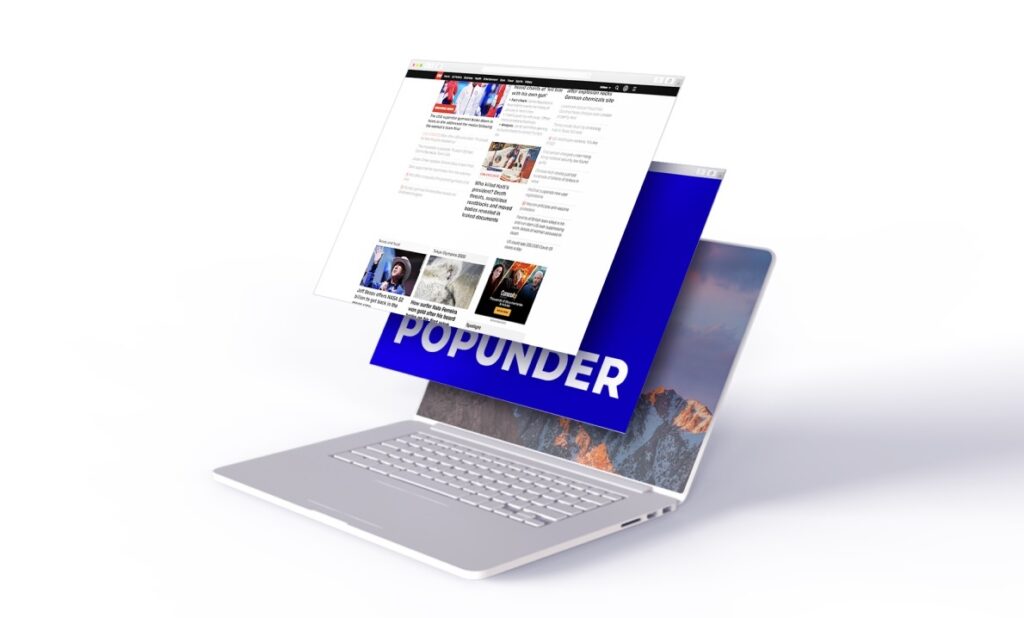
You pay per 1,000 views (CPM) and get a huge traffic volume for a relatively small budget. At RichAds, for example, popunder CPM starts from $0.5 for Tier 3 GEOs and from $1 for Tier 1.
Popunder traffic works best for Gambling, Betting, Dating, Nutra, and Software offers with quick conversions, such as sign ups or app installs.

Direct click ads
Direct click (also called domain redirect) traffic comes from parked or expired domains. A user types a domain into the browser and is sent straight to your landing page, with no ad creative in between. You pay per 1,000 visits (CPM), starting at $1.5 on RichAds.
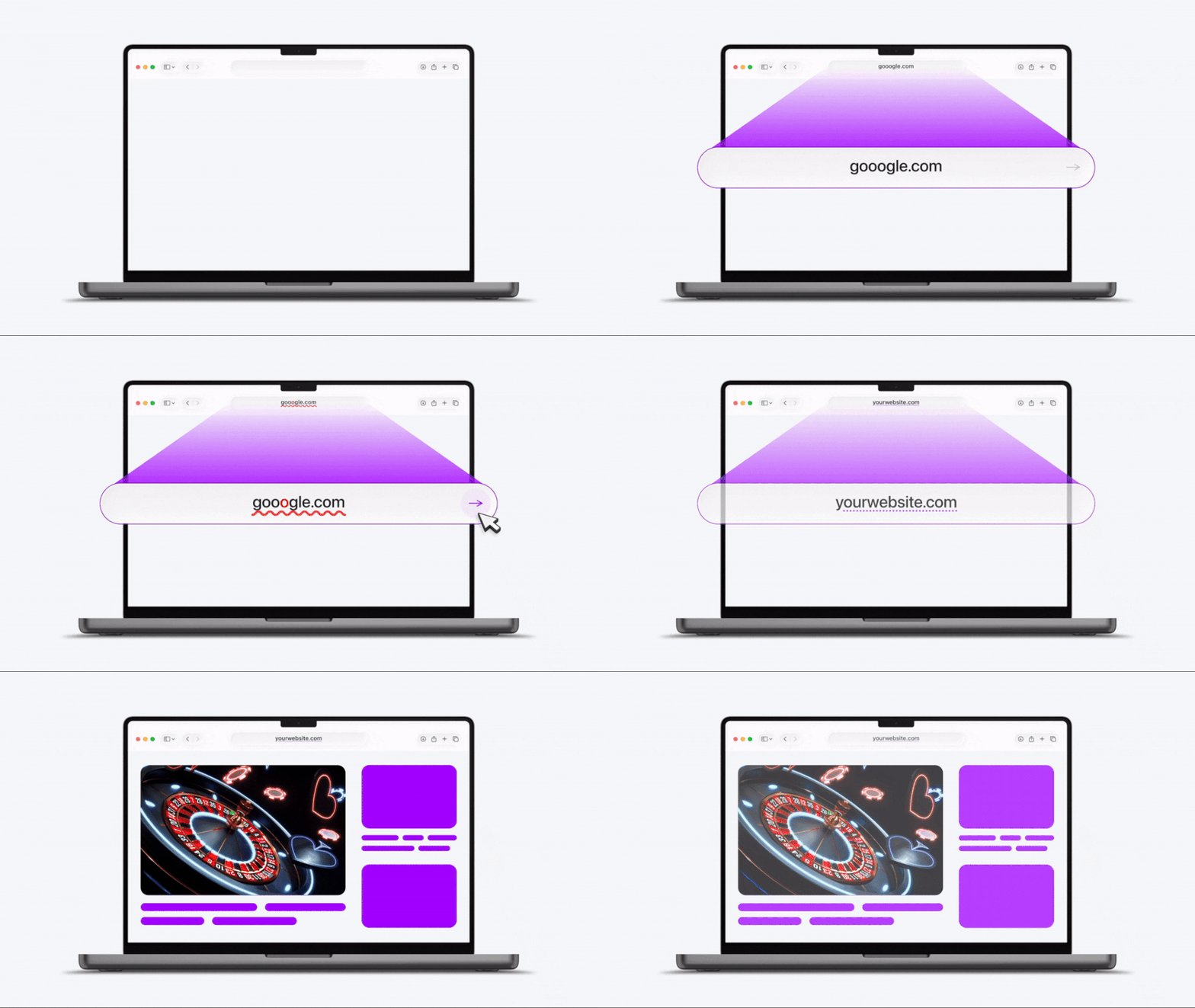
Because users arrive with typing intent, direct click ads often convert better than other formats, though volumes are lower and the price per view is higher. It particularly suits iGaming, Sweepstakes, E-commerce, and Mobile App niches.
Native ads
Native ads look like part of the website’s content, so users don’t skip them as fast as banners. They suit advertorials and longer funnels. On specialized native ad platforms, you can buy premium placements on the BBC or The Guardian, but the price is accordingly high.
Telegram ads
The official Telegram Ads platform provides a few options with low targeting control. Ads inside Telegram Mini Apps are a better channel for reaching a young, mobile audience with less competition.
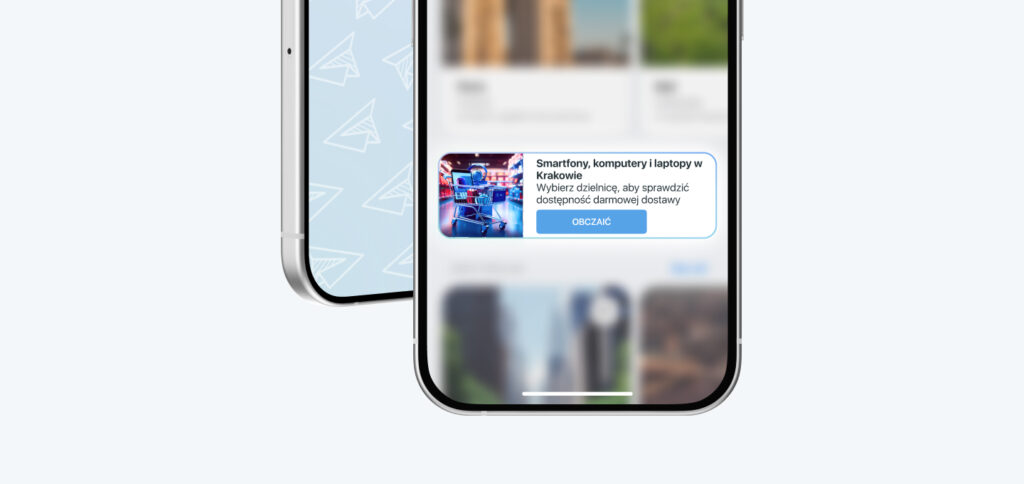
At RichAds, push-style Telegram ads start from $0.015 CPC, and you can choose from 5 other Telegram formats.
What is RichAds?
Ad network for telegram ads,
high quality push and popunder ads,
domain redirect, native and display traffic source,
buy push ads at $0.003 (CPC), pop ads at $0.5 (CPM),
domain ads costs start from $1.5 (CPM), native ads — from $0.001 (CPC),
ad network offers large volumes of traffic in more than 220 geos from Tier 3 to Tier 1.
Retargeting
Cold traffic rarely pays off right away, but retargeting people who already visited your site converts much better. You build an audience with a pixel or postback, then reach it again via search, social, pop, or push networks, and your CPA drops.

SEO and organic traffic
Organic traffic has no per-click cost, but it takes 3–12 months of content and link-building work to pay off. Over time, it gives the lowest acquisition cost, but it doesn’t suit urgency-driven offers and time-limited campaigns. It’s a good option to use alongside paid traffic like popunder or social ads.
Email and SMS
Owned channels are the cheapest sources. They don’t bring new visitors on their own, but they lower your blended traffic acquisition cost by turning one paid visit into several sales. If you have an active user base, it’s always worth trying email marketing.

TAC benchmarks in 2026
To help you understand the prices in 2026, we’ve provided benchmarks for each traffic channel. Use these numbers as a starting point, not a target, and keep in mind that real rates depend on GEO, device, vertical, season, and competition.
CPC/CPM by channel
| Channel | Prices |
|---|---|
| Google Search ads | $2–4 CPC; $5.42 average across industries |
| Meta ads | about $7–15 CPM |
| Push ads | from $0.003 CPC |
| Popunder ads | from $0.5 CPM |
| Direct click ads | from $1.5 CPM |
| Native ads | from $0.20 CPC |
| Telegram ads | from $0.015 CPC |
Conversion rate by channel
| Channel | Typical conversion rate |
|---|---|
| Email (owned list) | 5–15% |
| Organic search | 2–4% |
| Paid social | 1–3% |
| Affiliate ads | 2–5% |
| Retargeting | 3–8% |
| Paid search | 2–5% |
Key takeaways:
- Search and social cost far more per visitor than push, pop, and direct click. That doesn’t make them worse because they deliver high intent and good conversion rates, but they require a larger budget.
- Tier 1 GEOs cost more than Tier 3 GEOs on every channel.
- Q4 is the most expensive season because of the holidays.
- A $150 campaign budget won’t give you enough data to judge a source: a common rule is $1,000–2,500 per channel over at least 30 days.
What is RichAds?
Ad network for telegram ads,
high quality push and popunder ads,
domain redirect, native and display traffic source,
buy push ads at $0.003 (CPC), pop ads at $0.5 (CPM),
domain ads costs start from $1.5 (CPM), native ads — from $0.001 (CPC),
ad network offers large volumes of traffic in more than 220 geos from Tier 3 to Tier 1.
How to reduce traffic acquisition costs
To lower TAC, you don’t need to choose the cheapest sources; you need to optimize your strategy by cutting waste and paying only for traffic that converts.
You can start following these steps:
- Set up tracking.
Use a tracker and pass placement (zone or site) IDs in your URLs. Without source-level data, you can’t optimize efficiently. - Use traffic filters.
Build blacklists of sources that spend without converting, and whitelists of the ones that perform. Launching on the whitelist alone can cut TAC by a large share. - Leverage automation and detailed bidding.
Tools like Target CPA, Micro Bidding, and Automated Rules help control bids and optimize budgets to spend only on converting placements. - Refresh creatives often.
Tired creatives see lower CTR, which means a higher effective CPC. Test 3–5 creatives per campaign and rotate, adding new ones regularly. - Improve the landing page.
You need a fast-loading, simple page with a localized design. Remove extra form fields and consider adding pre-landers for cold traffic. It helps raise the conversion rate, which lowers CPA without touching the traffic price. - Target smarter.
Narrow by GEO, device, OS, carrier, and time of day. Run ads only in hours when your offer converts. - Retarget past visitors.
People who already saw your page convert better and cost less per action than cold traffic. On RichAds, you can launch retargeting campaigns on popunders, push ads, and pre-roll video ads. Check our retargeting case study to assess the effectiveness. - Split your budget with the 60-30-10 rule.
Spend 60% on proven channels, 30% on growing ones, 10% on tests. This approach keeps you profitable while you look for ways to optimize traffic acquisition costs. - Check attribution.
Use multi-touch attribution so you don’t cut an awareness channel that feeds later conversions. - Watch for fraud.
Bots and fake clicks inflate TAC with zero return. Pick ad platforms with built-in anti-fraud filters and check your logs for odd patterns.
Conclusion
Traffic acquisition cost is the simplest check of campaign health. You see how much you pay per visitor compared with what that visitor brings back. Calculate it per channel, including all costs, and read it alongside conversion rate, CPA, and ROI to understand the outcomes.
It’s easier when you work with all channels in one account; that’s why RichAds is one of the leading advertising platforms. It offers push, pop, native, direct click, video, and Telegram traffic in 220+ GEOs, with powerful automation and bidding optimization tools, so you can keep TAC under control.
What is RichAds?
Ad network for telegram ads,
high quality push and popunder ads,
domain redirect, native and display traffic source,
buy push ads at $0.003 (CPC), pop ads at $0.5 (CPM),
domain ads costs start from $1.5 (CPM), native ads — from $0.001 (CPC),
ad network offers large volumes of traffic in more than 220 geos from Tier 3 to Tier 1.
FAQ
Traffic acquisition cost (TAC) is the total amount a business spends to bring visitors to its website, landing page, or app. It includes media spend on ads, affiliate commissions, agency fees, tools, and creative production.
For advertising platforms, TAC means the share of revenue they pay to partners who send them traffic.
Add up everything you spent to get traffic (media, commissions, fees, tools, creatives), then divide by the number of visitors. For example, $1,600 spent for 150,000 visitors gives a TAC of about $0.0107 per visitor. To see your limit, multiply your payout by your conversion rate: that is the most you can pay per visitor and still break even.
The main channels are paid search, social ads, push ads, popunder ads, direct click ads, native ads, Telegram ads, retargeting, SEO, and email marketing.
TAC is the cost of a visitor. CPA is the cost of one target action, like an install or sale. CAC is the full cost of winning a paying customer, including sales and marketing expenses beyond traffic.
Track results by placement, blacklist zones that don’t convert, and use automation to control bidding. You can also retarget past visitors and use owned channels to lower traffic acquisition costs.
Google’s TAC is the money it pays to partners who send traffic to its ads. That includes browser and phone makers that set Google as the default search engine, and Google Network publishers that show Google ads on their sites. In Q3 2026, the company reported $16.37 billion in TAC on $82.01 billion of advertising revenue.








 Latest articles